How to Make Your Hearing Aids Last: Daily Care, Moisture, and the Six Month Check
A little daily care goes a long way toward keeping hearing aids out of the repair shop.
September 15, 2026 · 3 min read
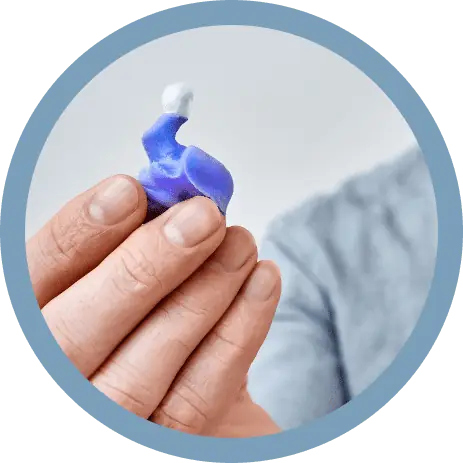
Hearing aids are small, they sit in a warm, damp environment for most of the day, and they get handled constantly. Given all that, it's a little surprising how long they last when they're cared for properly, and how quickly problems show up when they're not. Most of the difference comes down to a handful of simple habits, not luck.
The daily habit that matters most
Wiping down your hearing aids at the end of each day, before storing them, is the single most useful habit you can build. A soft, dry cloth removes earwax, skin oil, and general grime before it has a chance to work its way into the microphone ports or the speaker opening. It takes less than a minute, and it's the difference between a device that keeps sounding sharp and one that starts sounding muffled within a few months.
Most hearing aids come with a small cleaning kit, usually a soft brush and a wax pick or loop, and it's worth using both, not just the cloth. The brush clears debris away from vents and microphone openings, while the pick handles wax that's worked its way into a small hole or crevice. It looks fiddly the first few times you try it. After a week it becomes about as automatic as brushing your teeth.
Moisture is the real enemy
More hearing aids get damaged by moisture than by almost anything else, and it isn't always obvious moisture doing the damage. Sweat during exercise, humidity in a Fort Worth summer, or even just the natural moisture inside your ear canal all add up over time. Modern hearing aids are built to handle a reasonable amount of this and are generally safe to wear while exercising. Most people still choose to remove them before sleeping, partly to conserve battery and partly to give their ears a rest overnight. A drying case or dehumidifier used at night is a simple habit that makes a real difference over the life of the device.
What the six month check catches early
We recommend a professional maintenance check about every six months, and it's worth keeping that appointment even when nothing feels obviously wrong. A lot of what goes wrong with hearing aids develops slowly: wax buildup deep in a component, a speaker that's started to sound slightly off, a fit that's drifted as your ear has changed shape over time. Caught at six months, most of that is a quick adjustment. Left alone for two or three years, the same small issue can turn into a real repair, or into a hearing aid that quietly stopped working as well as it used to without anyone noticing exactly when.
Fit matters just as much as the electronics. Ears change shape gradually over the years, and a custom ear mold impression that fit perfectly when it was taken can loosen or shift over time. Part of what we check at the six month visit is whether the fit still matches your ear the way it should, since a poor fit is one of the more common, and more fixable, causes of whistling and feedback.
Signs it's time for a repair, not just a cleaning
- Sound that's noticeably weaker, distorted, or cutting in and out, even right after a cleaning
- Whistling or feedback that wasn't there before, especially at normal, everyday volumes
- A device that's been dropped, gotten wet unexpectedly, or exposed to unusual moisture
- Battery life that's dropped sharply for no clear reason
None of this requires special equipment or a lot of time. A clean cloth, the brush and pick from your kit, a drying case, and a calendar reminder for the six month check cover most of what keeps a hearing aid working well for years instead of months.
If any of that sounds familiar, bring the hearing aids in rather than waiting to see if it resolves on its own. Most issues we see are cheaper and quicker to fix early than after months of the problem quietly getting worse, and if you had your custom ear mold impressions taken here, we already have your fit on file to work from.
If you're ever unsure whether something is a quick fix or the start of a real problem, bring it in anyway. It costs nothing to have us take a look, and catching a small issue early is almost always cheaper and faster than waiting until it becomes a bigger one.
Chappell Hearing Care Centers, (682) 476-8512
Call (682) 476-8512More articles
The Signs of Hearing Loss Your Family Notices Before You Do
Most people who come in for a hearing test didn't book it themselves. A spouse, a son, or a daughter finally said something.
Hearing Loss and Brain Health: What the Research Actually Shows
The connection between hearing and brain health gets oversimplified a lot. Here's a more careful look at it.