01
A full hearing test, explained in plain terms, at no cost.
We test what you can and can't hear, tell you plainly which kind of loss it is, and never sell anything on the day you're tested.
Chapter 01
What a hearing test can and cannot undo
A hearing test does two things before anything else. It tells you how much you can hear, and it tells you what kind of loss you're dealing with. That second part matters more than people expect. Conductive hearing loss, the kind caused by something blocking or damaging the outer or middle ear, like an earwax buildup or an infection, can often be treated and sometimes cleared up entirely.
Sensorineural hearing loss, the kind that comes from the inner ear or the hearing nerve itself, is generally permanent. Permanent doesn't mean untreatable. Most of the people we see with sensorineural loss do very well once they're fitted with a hearing aid built around their own results, not a generic setting. The test is what tells us which situation you're actually in, instead of guessing.
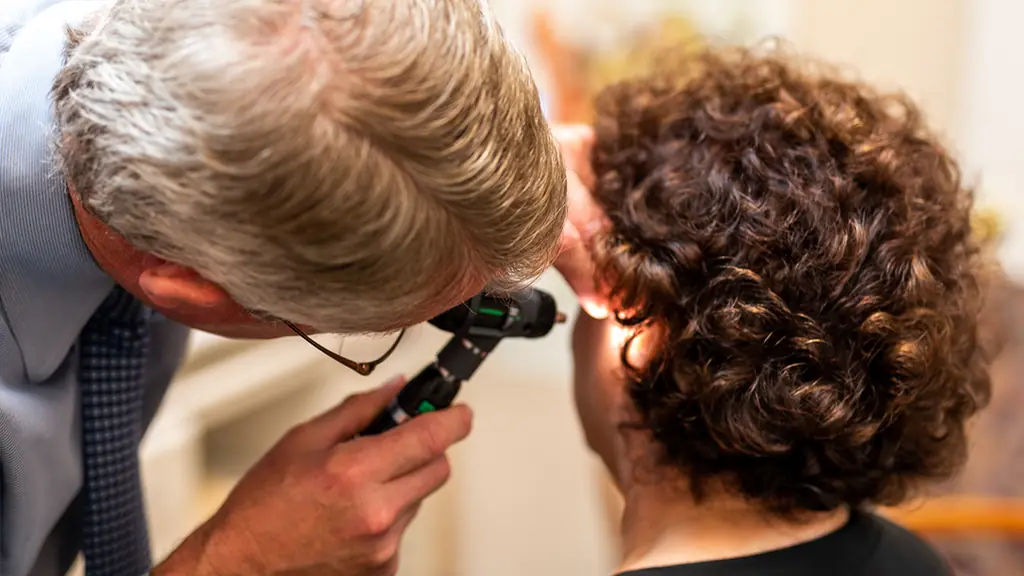
Close up of an otoscope ear exam being performed on a patient at Chappell Hearing Care Centers
Why fifty-five is when to start
We suggest starting regular hearing tests at 55, or sooner if you're already noticing changes such as asking people to repeat themselves, turning the television up past what anyone else in the room wants, or missing parts of a conversation in a noisy restaurant. After that first test, an annual evaluation is the sensible rhythm, the same way you'd keep a yearly habit for your eyes or your teeth.
Our own audiology consultant, John Cobb, practiced audiology for 45 years before he ever became a patient himself. He has significant hearing loss in both ears, from his time in the Navy and years spent playing in a rock band, and he's worn hearing aids for more than 30 years. He didn't wait until it was convenient. He tested, then he acted on what the test told him.
Chapter 03
What untreated loss does beyond hearing
Hearing loss doesn't stay contained to your ears. Research has found a real correlation between untreated hearing loss and cognitive decline, including a higher risk of dementia, along with a higher risk of depression. That's not a scare tactic. It's the reason we bring it up at every consultation, not just the first one.
It's also the real argument for not putting a hearing test off, more than any single conversation you're missing. Addressing hearing loss promptly matters for your overall brain health, not only for how well you follow what's being said across the table.
The consultation costs nothing
The hearing test and the consultation that goes with it are free, and nothing is sold to you on the day you're tested. You'll leave knowing what your results actually mean and what your options are, with no pressure to decide anything before you've had time to think it over.
Appointments run Monday through Friday 9am-5:30pm, at 4736 Bryant Irvin Rd #702, Fort Worth, TX. After hours and walk in appointments are available if the regular schedule doesn't work for you. Call (682) 476-8512 to set one up.
Chappell Hearing Care. Hearing tests and consultations are always free. Call (682) 476-8512.
The test, at a glance
- Recommended starting age
- 55
- Consultation cost
- Free
- Often treatable
- Conductive loss
- Usually permanent, well managed
- Sensorineural loss